Your Cart is Empty
Free lip balm + free shipping on orders over $39.99




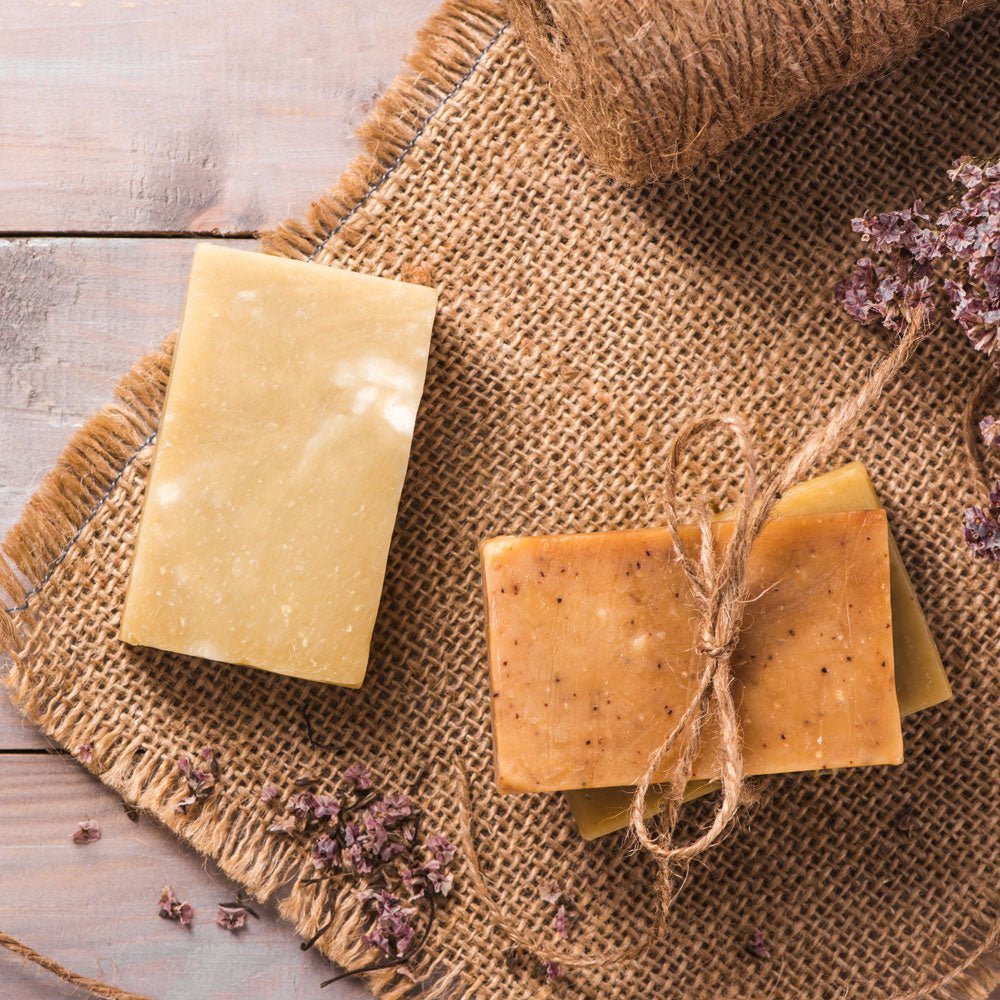
Soap should wash away dirt, sweat, oil, and everyday buildup. But some cleansers can remove so much surface oil that skin feels tight, dry, or uncomfortable afterward.
That does not mean cleansing is bad for your skin—or that every conventional soap is harsh. The way a cleanser feels depends on its full formula, how often it is used, the water temperature, and your individual skin.
At Beessential, we make our bar soaps in small batches using thoughtfully selected plant oils, butters, honey, beeswax, and other purposeful ingredients. The goal is simple: create a rich, satisfying lather that cleans effectively while leaving skin feeling comfortable.
Shop Beessential bar soap: Lavender & Honey Bar Soap · Activated Charcoal Face Soap.
The outermost layer of your skin contains natural oils that help support its protective barrier. Frequent washing, very hot water, strong cleaning products, and environmental conditions can all contribute to dryness.
Irritant contact dermatitis can develop when repeated exposure to soaps, detergents, solvents, or other substances damages the skin's protective surface. Hands are especially vulnerable because they are washed so frequently.
Choosing a thoughtfully formulated cleanser can help. So can a few simple habits:
It is also important to remember that "natural" does not automatically mean irritation-free. According to the American Academy of Dermatology, both natural and conventional skincare ingredients can cause reactions in susceptible individuals.
Here is a closer look at several ingredients we use in Beessential bar soaps and what they contribute to a well-balanced formula.
Coconut oil is a popular ingredient in handmade soap because it helps create an abundant, bubbly lather and provides effective cleansing.
During soapmaking, oils are combined with sodium hydroxide through a process called saponification. This chemical reaction transforms the oils and alkali into soap. The qualities of the finished bar depend on the entire recipe—not on one oil alone.
Because coconut oil can produce a strong-cleansing soap when used on its own, we balance it with ingredients such as olive oil, shea butter, castor oil, honey, and beeswax. This combination helps create a bar that cleans well while producing a creamier, more comfortable lather.
Olive oil has been used in soapmaking for centuries. It contributes a mild, creamy quality to the lather and works especially well when combined with other plant oils.
Olive oil is naturally rich in fatty acids, particularly oleic acid. In a finished bar of soap, it helps create a firm, long-lasting bar with a smooth lather that feels pleasant on the skin.
It is important to distinguish between applying olive oil directly to the skin and using it as an ingredient in soap. During saponification, olive oil is transformed into soap, so the finished bar does not behave exactly like the oil in its original form.
Hemp seed oil is pressed from the seeds of the hemp plant and is valued for its fatty-acid composition. It contains omega-3 and omega-6 fatty acids and contributes conditioning qualities to soap and personal-care formulas.
Hemp seed oil is not the same as CBD oil, and it does not produce intoxicating effects. Hemp was removed from the federal definition of marijuana under the 2018 Farm Bill, although hemp production and cannabinoid-containing products remain regulated.
In soap, hemp seed oil works alongside other plant oils to help create a rich, balanced formulation.
Shea butter is another important part of many Beessential bar soap recipes. It contains fatty acids that contribute to the hardness and creaminess of a finished bar.
In skincare products that remain on the body, shea butter is appreciated for its emollient qualities. In rinse-off soap, it helps support a dense, creamy lather and a more comfortable after-wash feel.
Honey has always been central to the Beessential story. It helps give handmade soap a warm color and contributes to a rich, bubbly lather.
Honey is known as a humectant, meaning it attracts water. However, because bar soap is rinsed away, it is better to think of honey as one part of a complete soap formula rather than as a stand-alone moisturizing treatment.
Our use of honey also reflects our roots as a family-owned company founded by an accidental beekeeper.
Beeswax helps give handmade soap structure and firmness. It can contribute to a harder, longer-lasting bar that holds its shape between uses.
Although beeswax is frequently used in leave-on products to form a protective layer, bar soap is a rinse-off product. Its primary role in our soap is helping create the texture, stability, and distinctive character of the finished bar.
To help your soap last longer, store it on a well-draining soap dish and allow it to dry between uses.
Essential oils provide the naturally derived aromas found in many Beessential soaps. Lavender, peppermint, tea tree, lemongrass, and other essential oils allow us to create fresh botanical scents without relying on synthetic fragrance blends.
However, essential oils are concentrated plant extracts, and natural fragrance can still bother sensitive skin. People with eczema, fragrance allergies, or highly reactive skin may prefer an unscented cleanser.
If you are trying a new product and know your skin is sensitive, test it on a small area first and discontinue use if irritation develops.
Some Beessential bars contain ingredients selected for a particular cleansing experience.
Activated charcoal helps adsorb oil and surface buildup, making it a popular addition to face and body soap. Oatmeal provides gentle texture, while coffee grounds offer more noticeable exfoliation for hardworking hands.
These ingredients do not "detox" the body or cure acne. Instead, they help customize the bar's texture, cleansing feel, and intended use.
For example, our Activated Charcoal Face Soap combines activated charcoal, sea clay, honey, beeswax, shea butter, olive oil, coconut oil, castor oil, and sea buckthorn oil for a thorough cleanse and creamy lather.
The best soap is one that cleans effectively and leaves your skin feeling comfortable.
Consider the following when choosing a bar:
A good bar of soap does not need exaggerated promises. It needs a thoughtful formula, quality ingredients, and the ability to clean without making everyday care more complicated.
Beessential bar soaps are handcrafted in small batches with carefully selected plant oils, honey, beeswax, butters, essential oils, and other purposeful ingredients. Each recipe is designed to offer its own combination of lather, aroma, texture, and cleansing performance.
A gentle-feeling bar soap begins with a thoughtfully balanced formula. Plant oils, butters, honey, beeswax, and other ingredients can help create a creamy lather that cleans without leaving skin feeling excessively tight or stripped. Water temperature, washing frequency, and individual skin sensitivity also matter.
"Natural" does not automatically mean that a product is better for every skin type. The complete formula matters more than a single label or ingredient. Even naturally derived ingredients, including essential oils, can irritate some people. Choose soap according to how your skin feels after washing.
Yes. Beessential bar soaps clean through traditional soapmaking rather than sulfate-based detergents. They are handcrafted in small batches with combinations of plant oils, butters, honey, beeswax, essential oils, and other purposeful ingredients.
Soap can remove natural surface oils along with dirt, sweat, and buildup. Very hot water, frequent washing, cold weather, low humidity, and strong cleansers can make this dryness more noticeable. Use warm water, avoid over-scrubbing, and apply moisturizer after washing when needed.
Some Beessential bars, including Activated Charcoal Face Soap, are formulated for facial and body cleansing. Because facial skin can be more sensitive, start gradually, avoid the eye area, and stop using the product if irritation occurs.
Essential oils provide the botanical aromas in many Beessential products, but sensitive skin can react to both natural and synthetic fragrance ingredients. If you are fragrance-sensitive, review the complete ingredient list and test a new soap on a small area first.
Sodium hydroxide is used during saponification, the process that transforms oils into soap. In a properly formulated and fully cured bar, the sodium hydroxide is consumed during this reaction and does not remain as free lye in the finished product.
Keep the bar out of standing water and allow it to dry between uses. A well-draining soap dish helps air circulate the soap, keeping the bar firm and extending its life.
Comments will be approved before showing up.